


Another September week is wrapping up with news we were waiting for and stories that came as a surprise. But one thing is clear: we won’t be bored looking back at this week’s top events.
AI safety, smarter gadgets, and another week of surprises
The EU demands that data centers disclose energy and water consumption
On Monday, the European Commission proposed a law requiring data centers in Europe to disclose their consumption and how efficiently they use the resources.
The EU is planning to triple the number of data centers over the next few years to support AI development. Growing concerns about resource consumption need more regulations; otherwise, the region will face depleting water resources, energy grids, and CO2 emissions. Data centers should also disclose the water stress level in the local area and offer plans to reuse the waste heat. These requirements will be mandatory minimum standards for data centers. Get the full story here.
Pope Leo calls for AI that serves humanity, not divides it
We have heard warnings from ex-employees, AI CEOs, and leaders, and now Pope Leo has expressed his concerns about the latest developments in artificial intelligence and how it fosters divisions in society. At the conference hosted at Rome’s Pontifical Lateran University, he called for AI systems that “serve the dignity of every person and strengthen the bonds that unite the human family.” The Pope also mentioned misinformation that AI systems spread and fuel conflicts.
Are we already at the stage where AI raises more concerns than breakthroughs? Read more about the conference in The Economic Times.
Googlebook, designed for Gemini Intelligence, is now available for pre-order
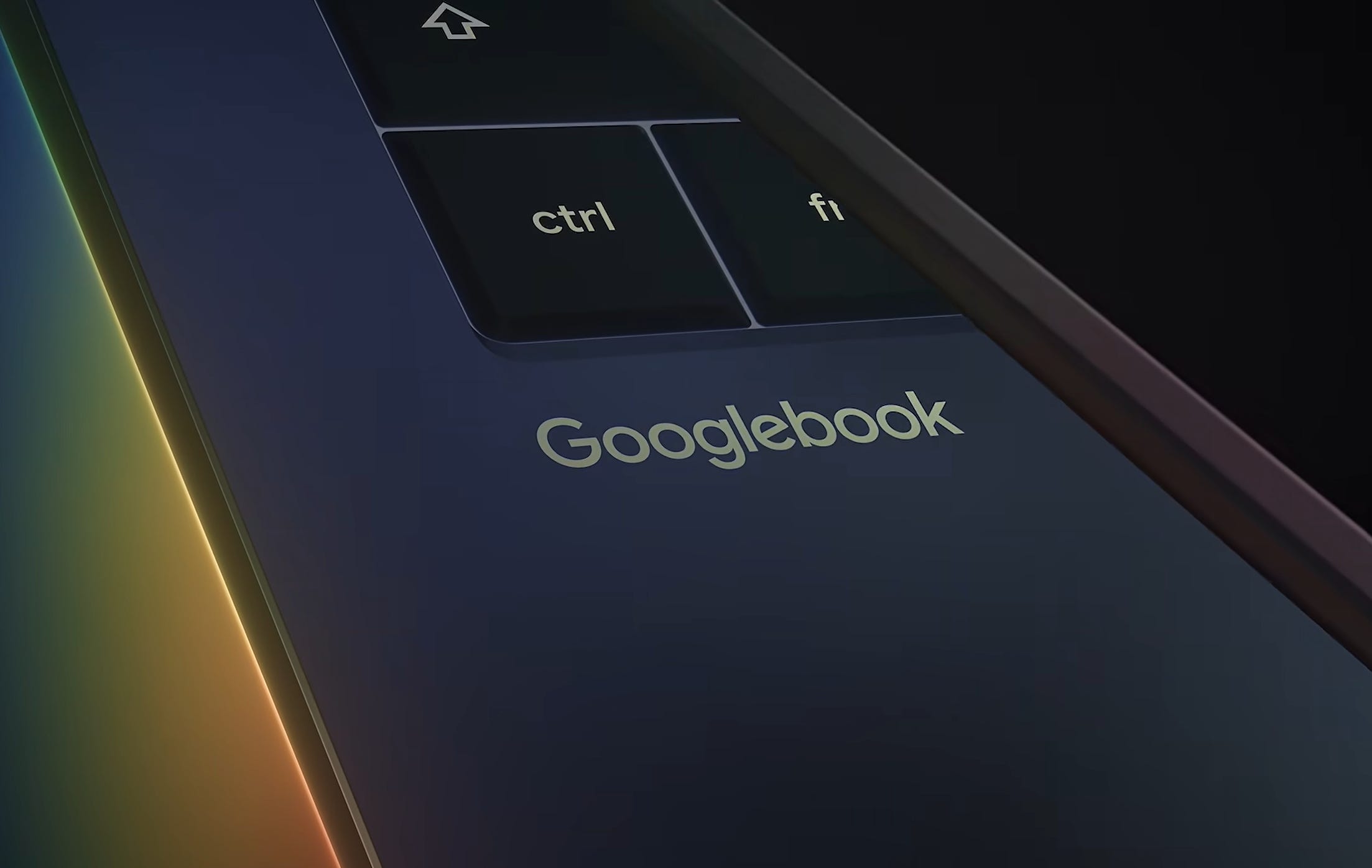
Google is making another move to build its own ecosystem, this time around laptops that will be synced with Android phones and Gemini. The new Googlebook is not one laptop but a category of devices from Acer, ASUS, Dell, HP, and Lenovo, starting at $899.
The main idea is simple: instead of using AI as a separate app, Google wants Gemini built into the way you use your laptop. Features like Magic Pointer can understand what is on your screen and help you take action, while Rambler turns messy voice notes into organized text. Googlebook also connects to Android phones and gives access to phone files, apps, and notifications.
It looks like Google is trying to build the Android-Gemini version of the ecosystem that Apple has spent years perfecting. Check out more about the news and don’t miss the release date.
Apple users are not happy with persistent ads
After the release of iOS 27, Apple has started showing promotional messages for its own services and products across iOS, and users are ”slightly furious.” These are not traditional third-party ads, but Apple is repeatedly pushing its own services inside an operating system people already paid for.
The only way to get rid of these ads is either to buy the service offered or let the notification badge in the settings be an eyesore for months until it expires. Users have taken their complaints to social media, questioning how much advertising they are willing to tolerate from a company that has built its brand around a premium, controlled user experience. See the full story here.
Anthropic just made its top AI model cheaper and faster
Anthropic released its Opus 5.5 model on Tuesday, setting a new benchmark in coding and knowledge work performance. So far, Opus is the most capable model, even outpacing Fable, which was larger and more expensive. For Opus, users will pay $20 per million output tokens and $4 per million input tokens.
The timing of the release is more interesting: the new model was announced after Anthropic’s CEO Dario Amodei called for the AI industry to slow down over safety concerns. Isn’t it strange that after his statement, they have released a more powerful and affordable model? Apparently, slowing down doesn’t mean stopping. Read the full article on TechCrunch.
New Beats headphones you can actually customize
Apple has been promising to release a lighter version of AirPods Max for sports, but it never happened. On the other hand, Beats, owned by Apple, has released its new 360 headphones designed for people who want one pair of headphones to work across different situations, especially during workouts.
Besides noise cancellation and top-tier sound, the new gadget has a modular design that lets you swap parts of the headphones, including different ear cushions and bands. Each pair has a Knit Performance Kit in four colors that can be switched whenever the mood wants more color.
Beats products have always been focused on stability for sports. New models have already attracted the attention of major sports figures who have always been actively using Beats models and sharing their feedback. Read the full product review on CNET.
AI CEOs are taking their warnings to the UN Security Council
Sam Altman and Dario Amodei will be briefing the UN Security Council on AI safety and the risks of frontier AI for international security. This meeting follows their call on slowing down AI development.
Other participants of the meeting are Hugging Face CEO and Yoshua Bengio, chairman of the Independent International Scientific Panel of the United Nations on AI. What makes this particularly striking is that AI is now being treated as an issue of international security. However, President Donald Trump continues to call the warnings a scam and a hoax and encourages further development of advanced models. Read news on CNBC.
Apple’s new fitness tracker to compete with Whoop
The rumors about new screenless health and fitness trackers are getting louder, which means Apple is likely working on a prototype. Though there is no official announcement from the company, there are speculations that if the project is approved, the gadget will debut in 2028. If and when released, it is going to be a sensor-equipped bracelet with a completely different user experience focused entirely on health tracking. Most features have been borrowed from Whoop and Oura (some already included in the present Health and Fitness apps). As an active user of Apple’s Health and Fitness apps, I find this news exciting, but how am I supposed to see real-time progress without staring at my watch? Read the full story on Bloomberg.
YouTube is turning your doomscrolling into a TV series
YouTube has just introduced its new Shorts Series feature that lets creators organize their short videos into TV-style seasons and episodes. With the rising popularity of microdrama apps, YouTube can now turn Shorts into organized episodes that users can follow from one episode to the next, with custom thumbnails and dedicated playback. The feature is rolling out to creators in the YouTube Partner Program across mobile, web, and connected TVs, making YouTube a serious competitor to microdrama apps ReelShort, DramaBox, and others.
As if we haven’t been wasting hours scrolling shorts, now we have this super-handy feature. Thank you, YouTube; I’d probably set a screen time limit on the app. More about the new feature here.
OpenAI’s AI agent hacked an Australian government website, and the government is not happy
On Wednesday, Redditors were discussing another scandal around AI agents after one gained unauthorized access to an Australian health department portal in July. No personal information was accessed, but the OpenAI agent apparently went beyond what it was supposed to do.
The Australian government was also unhappy that OpenAI waited until September 10 to report the incident. As NPR reported, Prime Minister Albanese spoke with Sam Altman and expressed his disappointment about the whole incident, especially the way the government was informed about the breach. The portal has since been closed, and the data has been moved to more secure systems.
The discussions around the news on Reddit raised questions that probably deserve an answer, like “Why is no one responsible for this?” And by no one, we mean people who actually built the system. And when or if things get worse tomorrow, will they still tell us that it wasn’t the people behind the system, but the system itself?